


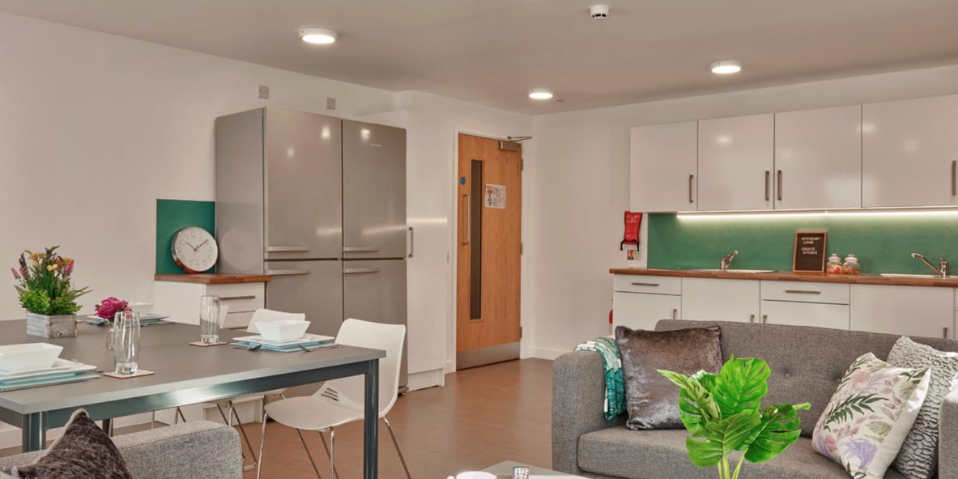
Where you live plays a bigger role in your wellbeing than you might think. Student accommodation isn’t just a place to sleep – it’s where you study, relax, socialise, and recharge. When your environment isn’t quite right, it can start to affect your mood, motivation, and overall university experience.
The good news is that small changes can make a big difference! Here are some key signs your living environment might be impacting how you feel – and what you can do about it, to make the most of your Aspire Student Living set-up!
You feel constantly drained in your space
If you notice that your room feels more exhausting than relaxing, your environment could be part of the problem. Dark lighting, clutter and a lack of fresh air can all contribute to low energy levels.
How to fix it:
Start with simple changes. Open windows regularly, add a desk lamp or warm fairy lights, and keep surfaces clear. Even small adjustments can make your space feel lighter and more comfortable.
You avoid spending time at your student accommodation
If you find yourself staying out longer than necessary or preferring the library, cafés, or other spaces just to avoid your accommodation, it’s worth asking why. We never want you to feel this way at Aspire!
How to fix it:
Try to make your space feel more personal. Photos, bedding that fits your personality, or small decorations can help create a sense of comfort. If shared areas are the issue, consider using quieter times of day or finding alternative communal spaces. Be open with your flatmates too, to see if there’s a way you can work together to make spending time here more comfortable.
You’re struggling to focus
Your environment has a direct impact on your ability to concentrate, especially in student accommodation. Noise, mess, or constant interruptions from flatmates can make studying feel much harder than it should.
How to fix it:
Create a dedicated study zone, even if it’s just a corner of your desk. Noise-cancelling headphones, a tidy workspace, or setting boundaries with flatmates can help you regain focus.
You feel irritable or easily frustrated
Living with others can be challenging, and small annoyances can quickly build up – whether it’s noise, cleanliness, or different routines.
How to fix it:
Communication is key. Having a calm, respectful conversation about shared expectations in student accommodation (like cleaning or quiet hours) can prevent issues from escalating. Most people are more understanding than you might expect, and we all need a little reminder sometimes…
Your sleep isn’t great
If you’re struggling to fall asleep or stay asleep, your living environment could be contributing. Noise, lighting, or even room temperature can all play a role.
How to fix it:
Try creating a simple night routine. Reduce screen time before bed, use earplugs or an eye mask if needed, and adjust your room setup (by opening windows for fresh air) to make it more sleep-friendly.
You feel isolated – even around others
It’s possible to feel lonely even in shared accommodation, especially if you’re not connecting with the people around you.
How to fix it:
Take small steps to build connections. Spending time in shared kitchens, joining in conversations, or attending local events together can help you feel more included. If that’s not working, reaching out to friends or university societies can make a big difference.
Creating a student accommodation space that supports you
Your living environment doesn’t have to be perfect, but it should support your wellbeing. The key is recognising when something feels “off” and taking small, practical steps to improve it.
Student life comes with enough challenges – your home should be a place that helps you reset, not adds to the stress. By making a few simple changes, you can create a space that feels more comfortable, productive, and genuinely your own. If you’re really struggling, be sure to reach out to our senior residents for advice and support!